


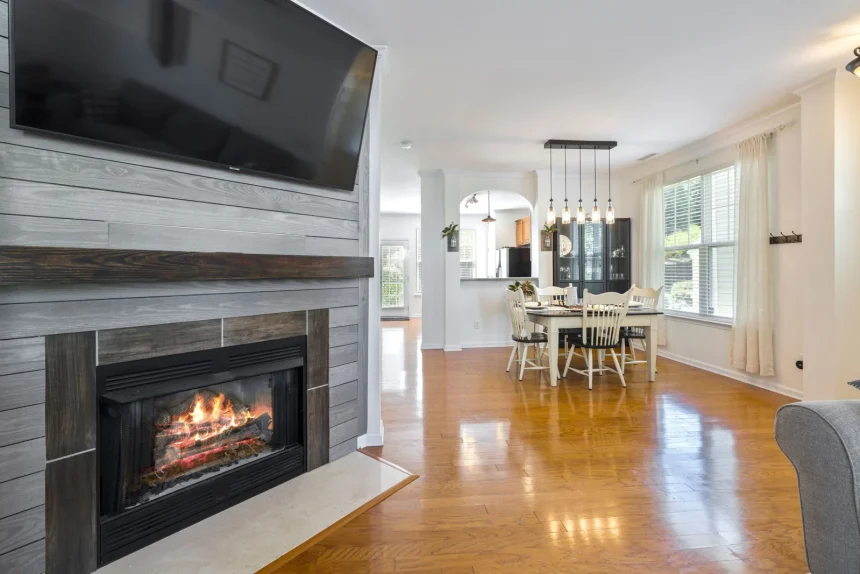
There’s a particular kind of disappointment that comes with a fireplace that won’t light on the first cold night of the year. You’ve got the blanket, the hot cocoa, the movie queued up, and instead of a warm glow you get a weak sputter from the pilot light and a room that stays stubbornly chilly. It happens more often than you’d think, and almost always because the unit was ignored for eleven months out of the year.
Gas fireplaces are famously low maintenance compared to their wood-burning cousins, but low maintenance is not the same as no maintenance. A little seasonal attention goes a long way toward keeping yours safe, efficient, and ready to run whenever the temperature drops. This checklist breaks the work down by season so nothing slips through the cracks.
Why Bother With Maintenance at All?
Before we get into the checklist, it helps to understand what’s actually at stake. A neglected gas fireplace can develop a few different problems over time. Dust and debris clog the burner ports, which leads to weak or uneven flames. The glass front can develop a white film that blocks your view of the fire. Seals and gaskets degrade, which affects efficiency. And in the worst cases, venting issues or a cracked component can allow carbon monoxide to leak into your living space.
None of this is meant to scare you. Modern units are built with multiple safety features, and serious problems are rare when a fireplace is properly cared for. The point is that maintenance isn’t just about protecting your investment. It’s about making sure the thing works the way it should on the night you actually need it.
Fall: The Pre-Season Tune-Up
This is the most important season on the calendar. You want everything done before the first hard frost, ideally in September or early October while service technicians still have open appointments on their calendars.
Schedule a professional inspection. Most manufacturers recommend an annual service call, and fall is the natural time for it. A certified technician will check the gas pressure, clean the burner and control compartment, test the ignition system, inspect the venting for blockages or damage, and verify that the unit is burning cleanly. This visit typically takes under an hour and costs far less than an emergency repair in January.
Clean the glass. The ceramic glass on a gas fireplace collects a white haze from combustion byproducts. Wait until the unit is completely cool, then clean the inside of the glass with a fireplace glass cleaner. Regular household glass cleaners can leave a residue that bakes onto the surface when the fireplace heats up, so use a product made for this purpose. If the haze won’t budge, it may be a sign the fireplace is burning incorrectly, which is worth mentioning to your technician.
Check the pilot and ignition. Turn the unit on and off a few times and watch how it behaves. The pilot should light quickly and burn steady and blue. If ignition is slow, noisy, or unreliable, flag it now rather than discovering it on Thanksgiving.
Inspect the logs or media. If your fireplace has ceramic logs, make sure each one is seated in its correct position. They’re designed to sit in a specific arrangement so the flames hit them properly. A misplaced log can cause sooting or poor combustion. If you have glass or stone media instead, check that nothing has shifted into the burner area.
Test your carbon monoxide detectors. This one takes five minutes and matters more than everything else on the list combined. Every home with any gas appliance should have working CO detectors, and the batteries should be fresh before heating season starts.
Winter: Light Touches During Heavy Use
Winter is when your fireplace works the hardest, so the maintenance here is mostly about paying attention.
Watch the flame pattern. A healthy gas flame is mostly blue at the base with yellow or orange tips. If you notice the flames have become lazy, uneven, or unusually yellow throughout, something is off. It could be a dirty burner, a ventilation problem, or an issue with gas pressure. Don’t ignore it, especially if you also notice any unusual smells.
Keep the exterior clean and clear. Dust the surround and vacuum around the unit regularly. For direct vent models, check the exterior vent termination occasionally to make sure snow, ice, or debris hasn’t blocked it. A blocked vent is one of the few genuinely dangerous conditions a gas fireplace can develop.
Don’t use the fireplace as a drying rack. It sounds obvious, but people hang wet gloves and socks near fireplaces all winter long. Nothing flammable should ever sit on or near the unit, and the manufacturer’s clearance requirements apply to laundry just as much as furniture.
Listen for new sounds. Fans, blowers, and valve components can develop rattles or squeals as they age. A blower that’s suddenly loud often just needs cleaning, but it can also signal a failing motor. Catching it early means a cheap fix instead of a cold living room.
Spring: The Shutdown Routine
Once the heating season winds down, usually around March or April in most climates, a short shutdown routine keeps the unit in good shape during the off months.
Do a final visual inspection. Look over the logs, glass, and interior for any damage that developed over the winter. Cracked logs, chipped glass, or worn gaskets are easier to fix in spring when you’re not depending on the fireplace for heat.
Clean the glass one more time. A quick clean before shutdown prevents the season’s residue from sitting on the glass all summer and baking into a permanent film.
Decide what to do with the pilot. If your model has a standing pilot light, you can leave it burning year-round or shut it off for the season. Shutting it off saves a small amount of gas and reduces heat in the summer. If you do turn it off, remember that relighting instructions are usually printed on a plate inside the control compartment. If you have an intermittent ignition system instead, there’s no standing pilot to worry about.
Book any repairs now. If you noticed issues during the winter, schedule the repair in spring. Technicians are slower this time of year, and you’ll have the work done months before you need the fireplace again.
Summer: The Easy Season
Summer maintenance is minimal, which is exactly the point.
Keep the unit covered or clean. If your fireplace sits in a room that gets dusty during renovation or summer projects, keep the glass closed and wipe down the exterior occasionally. If you have an outdoor gas fireplace, a fitted cover protects it from rain, pollen, and insects looking for a home.
Check the remote and batteries. Replace batteries in remotes, receivers, and thermostat controls while you’re thinking about it. It’s a two-minute job that saves a head-scratching moment in October.
Plan next year. If your fireplace is getting older, summer is a good time to research replacement options or budget for a bigger service item, like a blower replacement, without any time pressure.
A Few Things Every Homeowner Should Know
Some points deserve repeating because they come up constantly in service calls. First, never modify or repair gas lines or valves yourself. Cleaning glass and dusting logs is a homeowner job. Anything involving the gas supply belongs to a licensed professional. Second, that white film on the glass is normal, but excessive soot anywhere on the logs or interior is not, and it deserves a professional opinion. Third, if you ever smell gas in the house, don’t troubleshoot it. Leave, avoid operating light switches, and call your gas provider from outside.
Finally, keep your owner’s manual somewhere you can actually find it. It contains the service schedule, log placement diagrams, and clearance requirements specific to your model, and it answers most questions before they become phone calls.
The Bottom Line
A gas fireplace asks very little of you. One professional visit a year, a few minutes of cleaning each season, and enough attention to notice when something sounds or looks different. In exchange, you get reliable heat, a beautiful focal point, and the peace of mind that comes with knowing the unit in your living room is working exactly as it was designed to. Follow the seasonal rhythm, and the first cold night of the year will be exactly what it should be: warm, quiet, and completely free of surprises.