

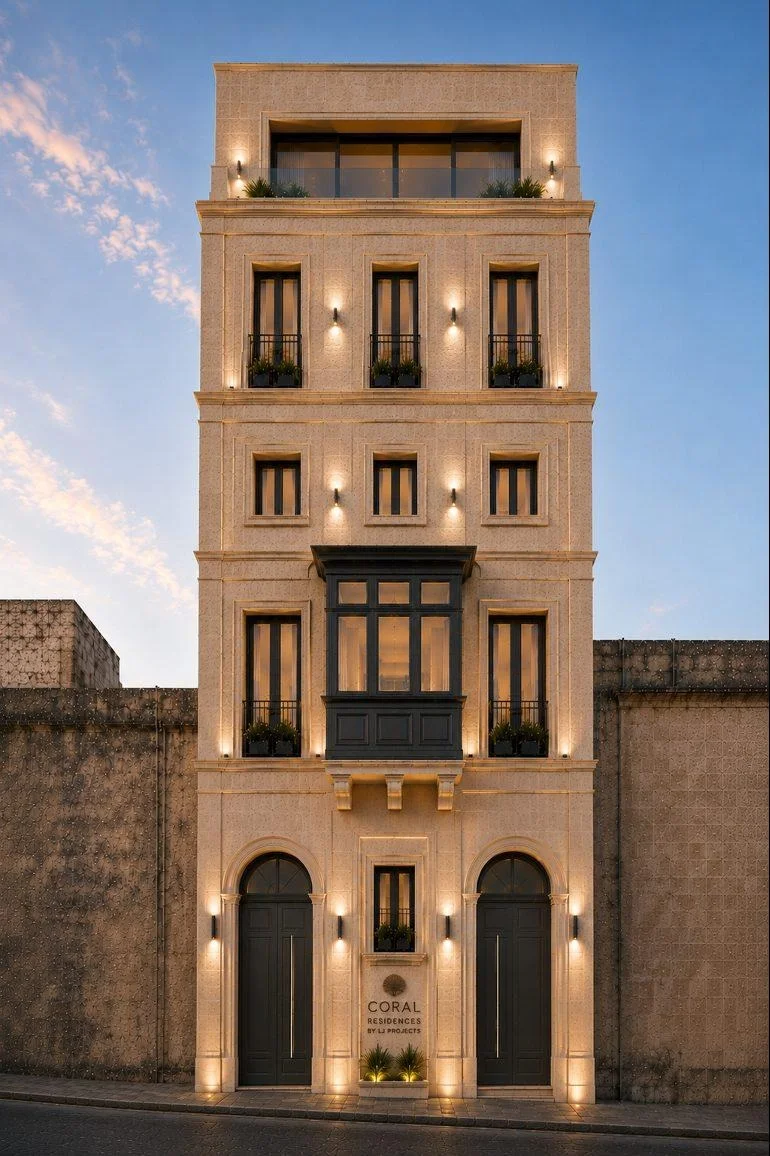
Mediterranean apartment design has quietly moved on from the whitewashed clichés of a decade ago. Nowhere is that shift clearer than in Malta, where a small island with a very old building tradition is producing some of the most interesting residential architecture in southern Europe. The constraints are real: limited land, strict heritage rules and relentless summer sun. Those constraints have pushed local designers toward solutions that feel worth borrowing wherever you happen to live.
Light is treated as a material
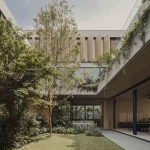
The first thing you notice in a well-designed Maltese apartment is how the light is handled. Rather than maximising glazing and then fighting the heat with blinds, architects work with depth. Recessed openings, deep reveals and balconies that double as shading devices do most of the work before a curtain is ever hung. The result is an interior that stays bright without glare and cool without running air conditioning from May through October. It is a principle worth applying in any hot climate, because shade will always be cheaper than cooling.
A palette that comes from the ground up
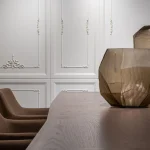
Globigerina limestone, the honey-coloured stone that gives Valletta its glow, has returned to interior use after decades of being plastered over. Paired with terrazzo floors, lime-based paint and untreated oak, it produces rooms with real texture rather than surface styling. The colour story writes itself: sand, clay, sea green and the deep blue of traditional Maltese balconies. Designers working far from the island borrow the combination because it ages gracefully and behaves well in natural light, which is more than can be said for most trend-driven palettes.
The terrace as a real room
In newer developments the outdoor space is no longer a leftover strip with a washing line. Terraces are sized and serviced like interior rooms, with outdoor kitchens, proper shading structures and planting beds deep enough for olive and citrus trees. Sliding systems that disappear into the wall erase the threshold completely, which changes how the apartment is used across the entire year rather than just in August. For anyone renovating a flat in a warm climate, this is the single highest-return move: treat the outside as floor area, not as decoration.
Where the standard is being set
A handful of island developers have pushed specifications upward over the past few years, and the useful exercise is studying completed buildings rather than renders. If you want to see how these ideas translate into real floor plans, ceiling heights and finishes, browse LJ Projects’ new apartments in Malta, where the Sliema and Msida schemes in particular show what the current standard looks like. For the wider architectural context that shapes these buildings, Malta’s official tourism site is a reasonable place to start before any visit.
None of this is about copying a look. The interest lies in the reasoning behind it: shade before cooling, local materials before imported ones, outdoor space treated as living space rather than surplus. Those three principles travel well beyond the Mediterranean, and they explain why Malta’s residential work deserves far more attention than the size of the island would suggest.
Nguồn: residencestyle