

The real estate landscape is undergoing a clear transformation as property buyers adjust their expectations for urban living. Convenience, proximity to public transit, access to green spaces, and neighborhood heritage now shape purchasing choices more than ever. Modern home buyers no longer look solely at interior square footage. Instead, they view real estate through a wider lens that combines daily lifestyle needs with long-term investment viability.
Understanding how urban planning decisions influence long-term property values helps buyers make informed decisions. A major factor driving this focus is the shift toward self-contained urban clusters, where residential spaces blend into well-connected hubs featuring top-tier educational institutions, transport nodes, and nature reserves.
Key Drivers Shaping the Property Market
Several core factors dictate how residential developments perform over time. Identifying these core elements allows home buyers and property investors to evaluate real estate options with clarity.
1. Direct Transit Access and Infrastructure Integration
Proximity to public transport networks remains one of the strongest indicators of long-term real estate value. Developments situated right beside major mass rapid transit stations give residents immediate access to central business hubs and retail centers.
- Reduced Daily Travel Time: Direct links to major train networks reduce commuting times and reliance on private transport.
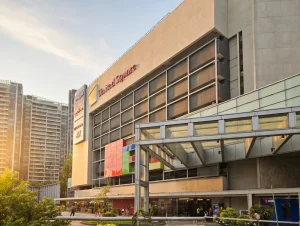
- Commercial Integration: Mixed-use developments that incorporate ground-floor retail shops, eateries, and essential services provide daily living convenience directly under one roof. Projects like Lucerne Grand highlight how integrated retail spaces and direct access to transit points streamline urban living for modern households.
2. Educational Networks and Family-Centric Locations
For growing families, primary educational institutions within a one-kilometer radius serve as a foundational selection criterion. Priority primary school admission rules create sustained demand for residential properties located near established schools. This consistent demand supports resale liquidity and steady rental yields across changing economic cycles.
3. Proximity to Green Spaces and Health Amenities
Urban dwellers actively seek balance between high-density city life and outdoor recreational space. Neighborhoods flanked by national parks, linear green corridors, and nature reserves offer valuable lifestyle perks:
- Enhanced outdoor space for exercise, walking, and leisure.
- Cooler micro-climates surrounding low-density green enclaves.
- Lower noise levels compared to high-density downtown districts.
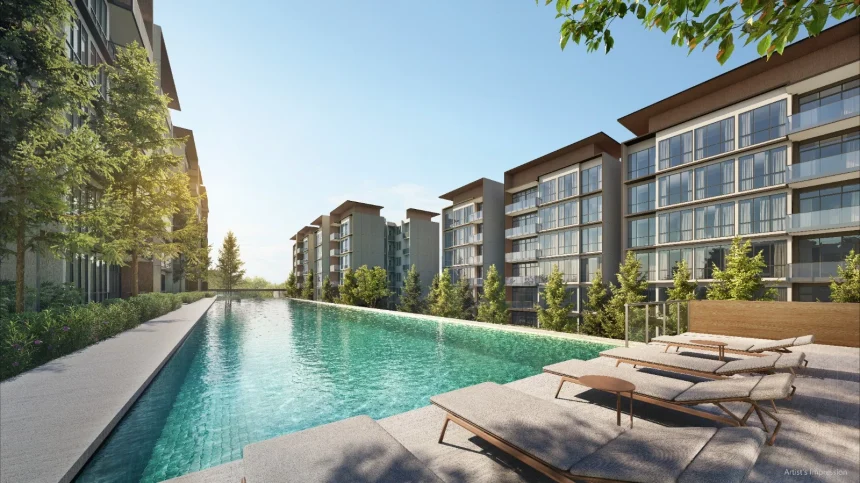
Living near established low-density enclaves and scenic parks, such as those found around Amberwood at Holland, offers a peaceful living environment while keeping city centers easily accessible.
Challenges Facing Property Buyers in Today’s Market
Navigating real estate options requires evaluating financial and practical challenges. Recognizing these obstacles early helps buyers mitigate risks.
Navigating Policy Changes and Financial Planning
Cooling measures, interest rate adjustments, and revised tax policies shape total acquisition costs. Buyers must look beyond upfront purchase prices and assess total homeownership costs, including monthly mortgage schedules, property management fees, and potential property taxes.
Managing Project Completion Timelines
Buying uncompleted or new-launch properties involves waiting periods for construction completion. Buyers need to align lease expirations or existing home sales with developer completion schedules to avoid temporary relocation costs.
Emerging Real Estate Trends
Several market trends continue to redefine homebuyer preferences and construction standards across prime residential zones.
- Low-Density Residential Layouts: Multi-family developments with lower total unit counts and generous communal grounds are growing in popularity. Residents appreciate less crowding and greater privacy.
- Work-From-Home Adaptability: Modern floor plans increasingly prioritize flexible spatial layouts. Dual-key units, dedicated study alcoves, and adaptable bedroom configurations accommodate remote work schedules.
- Eco-Friendly Construction Standards: Developers continue adopting energy-efficient air-cooling systems, smart home infrastructure, and water-saving fixtures to lower operational expenses for residents.
Practical Checklist for Property Evaluation
Before making a financial commitment, prospective buyers should walk through a practical evaluation checklist:
- Verify Land Tenure and Title: Distinguish between 99-year leasehold, 999-year leasehold, and freehold titles to match long-term family planning goals.
- Calculate Distance to Transport Lines: Measure the actual walking time to the nearest station rather than relying solely on map radii.
- Review Urban Planning Blueprints: Check government land use maps to see future planned roads, commercial hubs, or parks surrounding the property site.
- Inspect Floor Plan Efficiency: Look out for wasted structural space such as overly large foyers, excessively wide corridors, or oversized air-conditioner ledges.
Final Thoughts
Selecting the right residential property requires balancing current lifestyle requirements with long-term capital preservation. Properties linked to core transit lines, top educational networks, and well-maintained green spaces consistently show stability over time. By analyzing market trends, studying urban infrastructure plans, and carefully managing personal finances, home buyers can secure a comfortable home that builds lasting value.
Nguồn: residencestyle